
Rebecca Bruyn
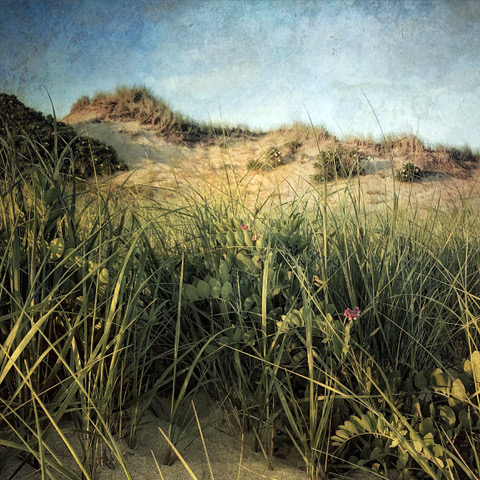
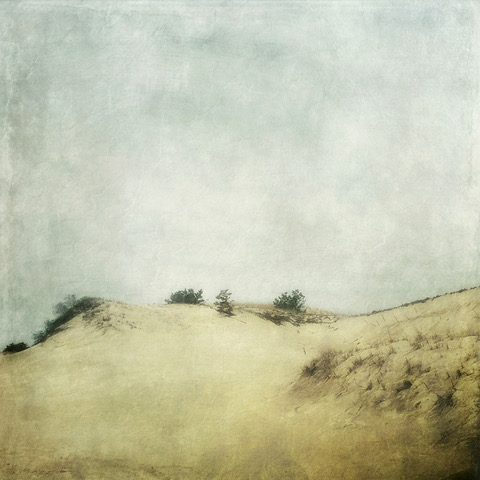
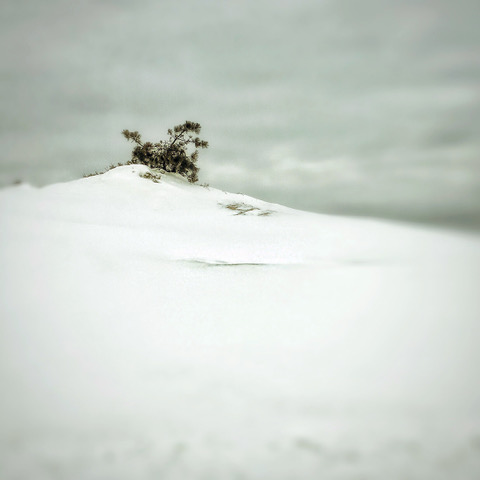
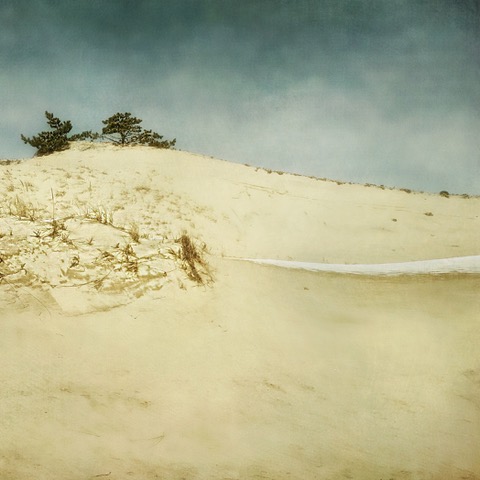
Rebecca has been capturing her love of light for over 50 years. Since the turn of this last century, she has chosen an alternative approach to her work. The techniques she uses span three centuries of photography, from the cyanotype sun prints of the 1800s to the use of the iPhone in the 21st century. With her discovery of post processing apps in 2013 and the spontaneity of the iPhone, she found herself unexpectedly immersed in a new world of creativity. Her work can be viewed in her Provincetown Studio.
“I look for moments to capture a mood that takes the viewer to a reflective place of quiet mystery.”
Eleni Carr
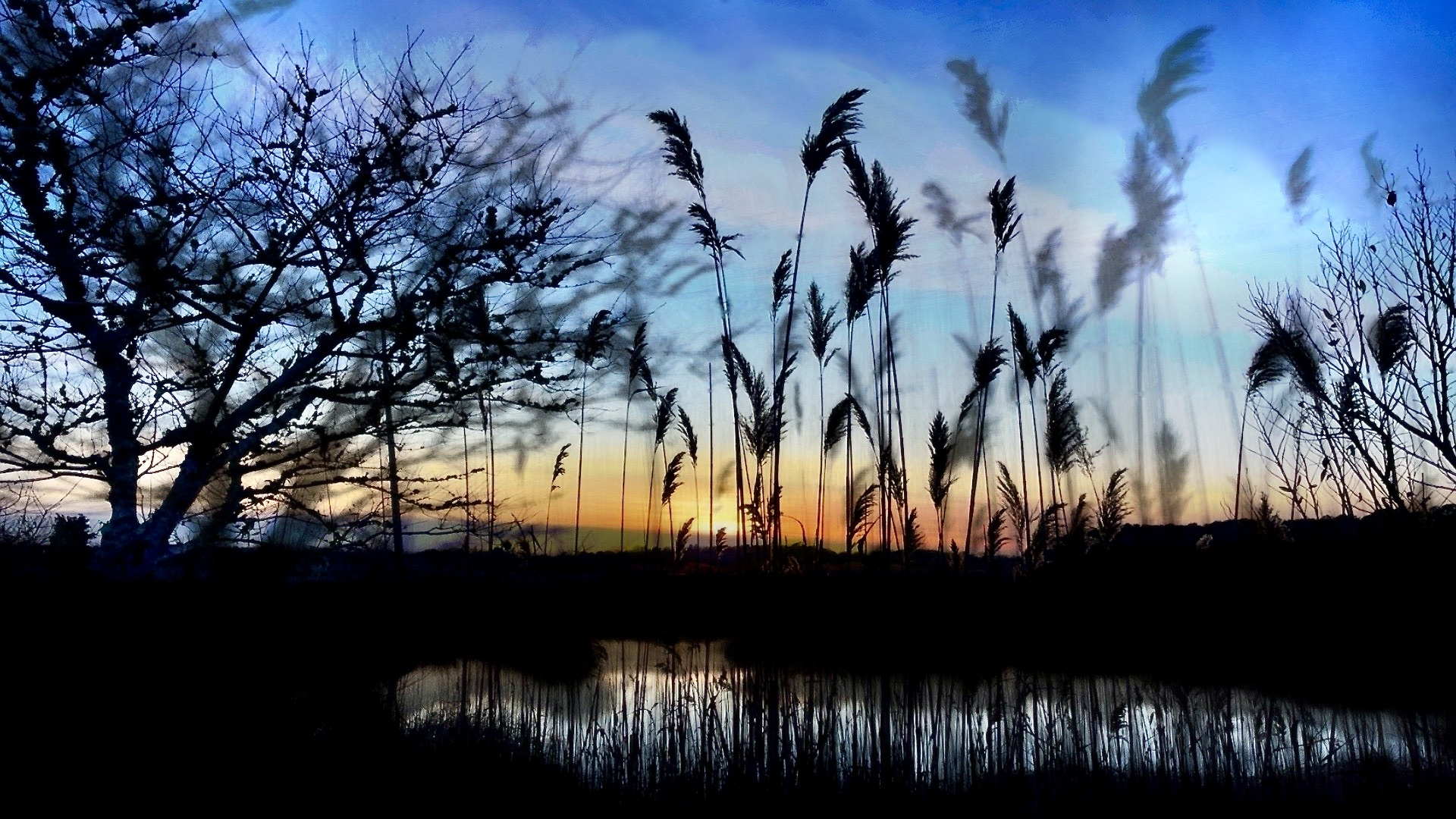
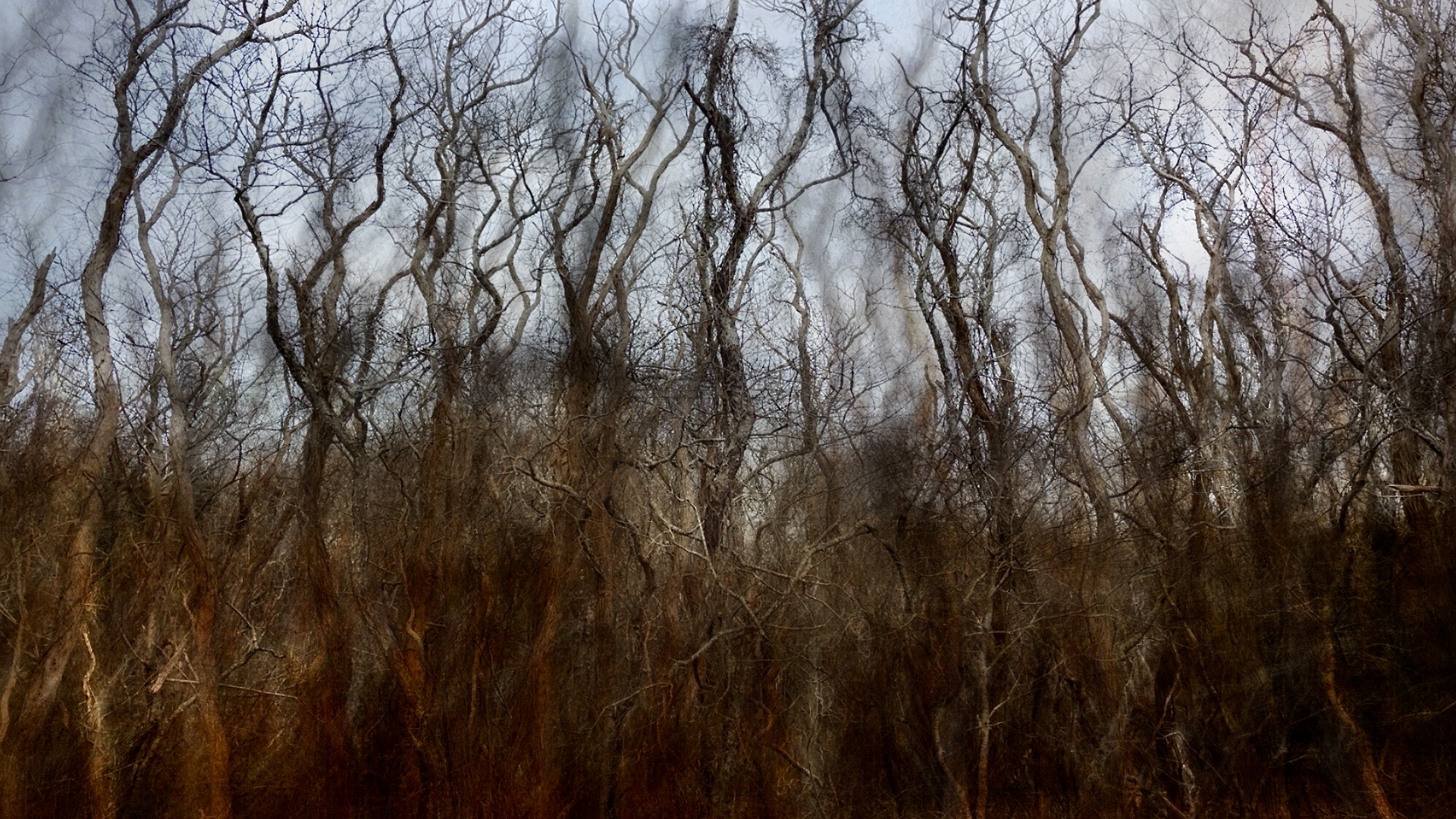
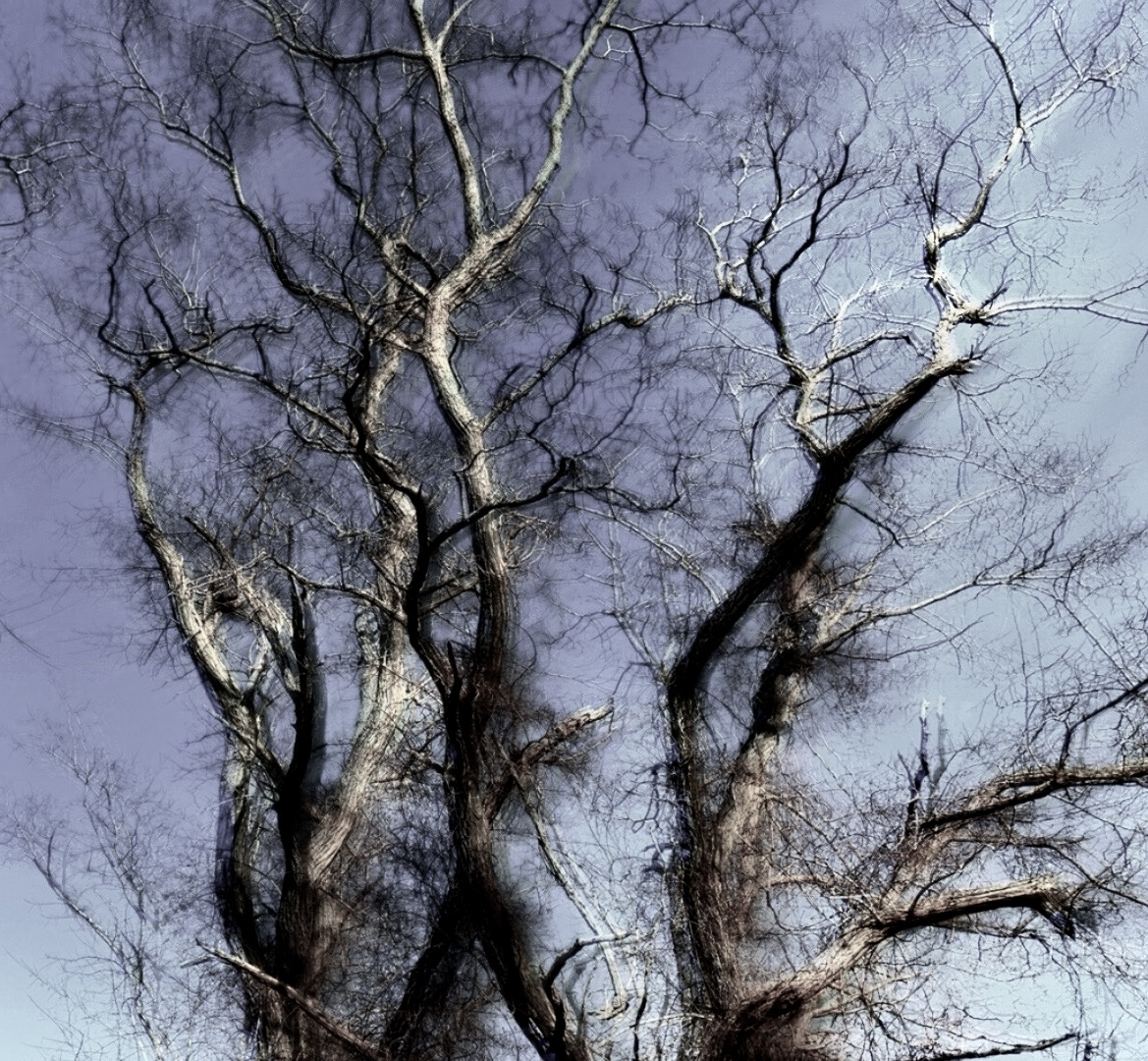
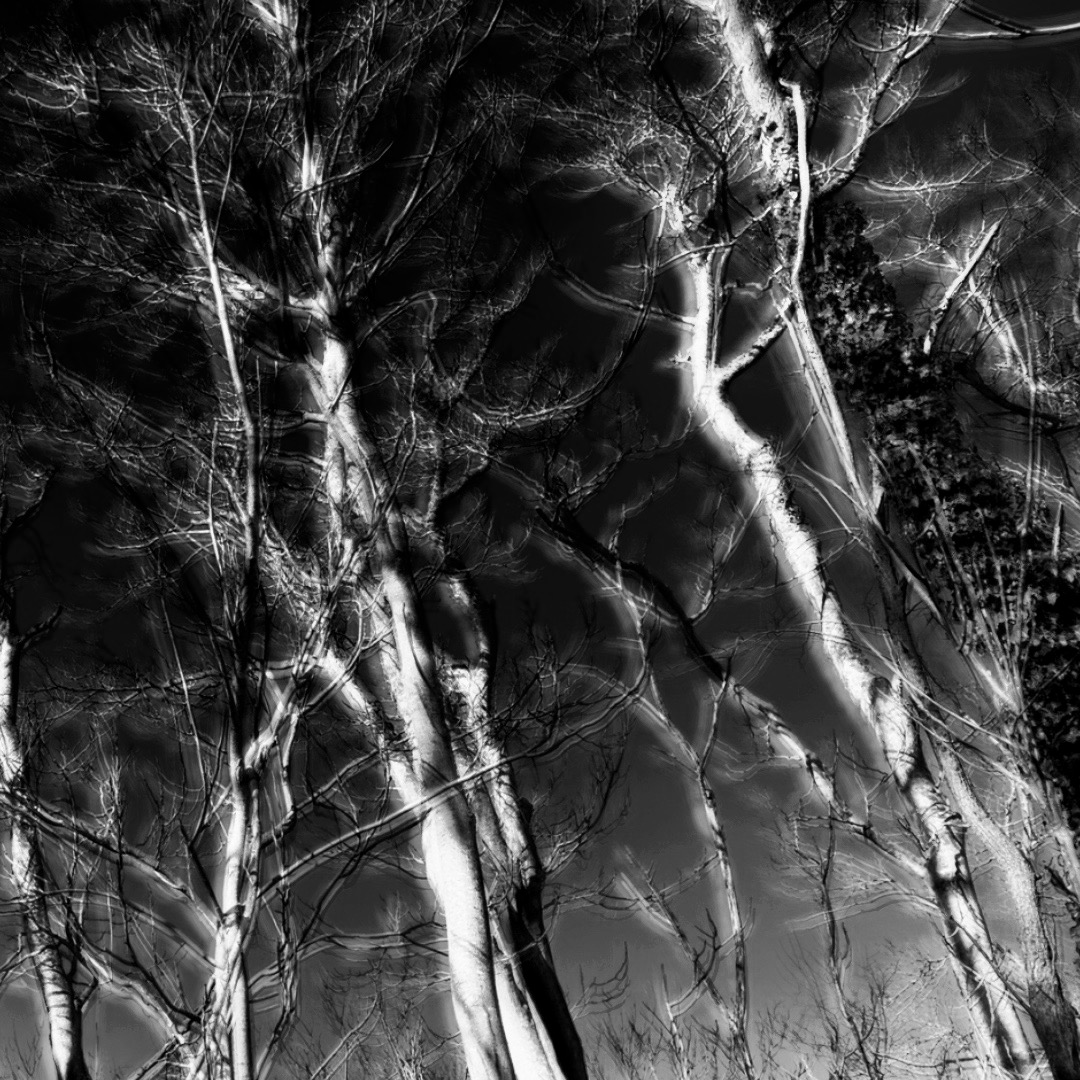
Photography is an art form that captures light as its central and defining element. While I genuinely honor this ideal, my work also seeks darkness as manifested in silhouette and shadow. In recent years, my photography has evolved from the effort to capture sharp, crisp imagery that is the industry standard to what now ignites my imagination. I create many of these images using various techniques like intentional camera movement (ICM) and multiple exposures, edited using the most basic digital tools. I do not use sophisticated post-processing software like Photoshop or Lightroom.
The results I achieve are a function that takes place during image creation lending itself to the element of surprise. I invite viewers to question the images I create and to explore the feelings they evoke. I hope they inspire an exploration of emotion, mood and a sense of mystery as if to question, ‘What do I see? How did this shot come to be?’ Living in Eastham, I walk regularly throughout the year and enjoy the natural beauty that surrounds us. The breathtaking view of Boat Meadow marsh is one that I have sought to capture in all seasons, under various lighting conditions. I am also drawn to trees, particularly in winter when they stand dormant and naked, revealing their bare bones. For me, these alternative approaches to photography awaken my imagination in ways that I find enthralling. I hope you enjoy these images and take away the ethereal sense that nature inspires.
James Carter Graphic Prints
Established American artist, James Carter´s graphic prints are best known for their capacity to invite the viewer to re-examine familiarity of common objects.
His move to Berlin, Germany with his family from 1962 to 1976 influenced his early interaction with the DADA movement. He was intrigued by the collages of Max Ernst and the soft endless landscapes of Yves Tanguy; and his own early paintings were explorations of these elements. He initially studied architectural rendering and, after returning to the U.S. in 1967, he embarked upon an architectural career.
Soon, however, he found himself rebelling against the strict rules of this trade; he felt there had to be a synthesis between drafting and painting.
In 1970, he enrolled in the Sivermine College of Art, NY and received an A.F.A. in 1970. During the 1970’s, James Carter was Art Director of Warlock Graphic and of Jack Keller Designs, both in New York City. While in New York, he first experienced the works of Paul Wunderlich and Peter Paul. Their graphics and oils became the impetus to his full-time devotion to painting.
While attending the Maryland Institute of Art, where he received his B.F.A., he began to use the airbrush as a vehicle to achieve the translucent surface has been seeking. Still using drafting techniques, and utilizing a state-set environment, he began to incorporate both inanimate objects with land and sea wildlife as subjects in surreal compositions. While focusing on endangered species, such as the buffalo and the whale, his work took on a more political overtone.
In recent years, his art has become a means to explore the diverse relationships between the objects and the surfaces, using the tromp l’oeil effect to achieve luminous qualities of depth and space.
Creative Table Art
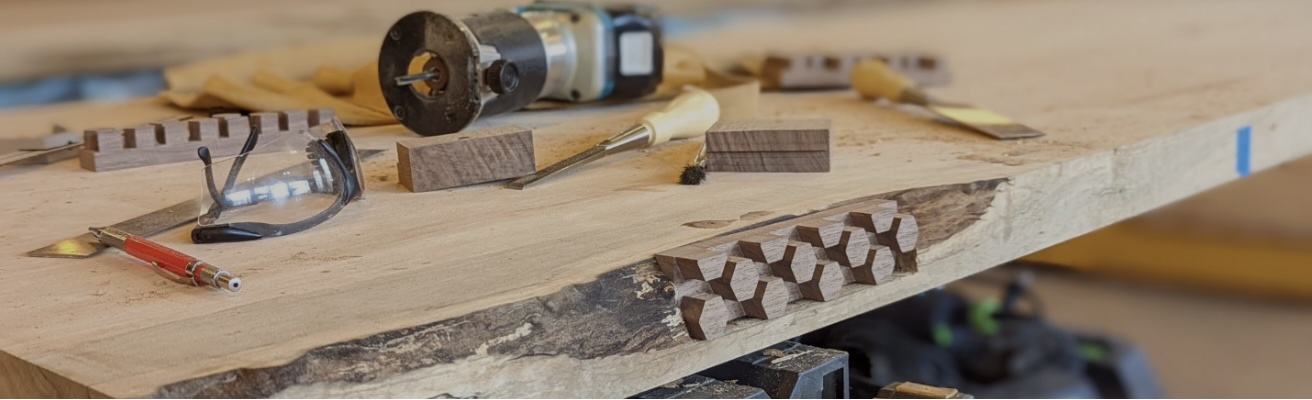
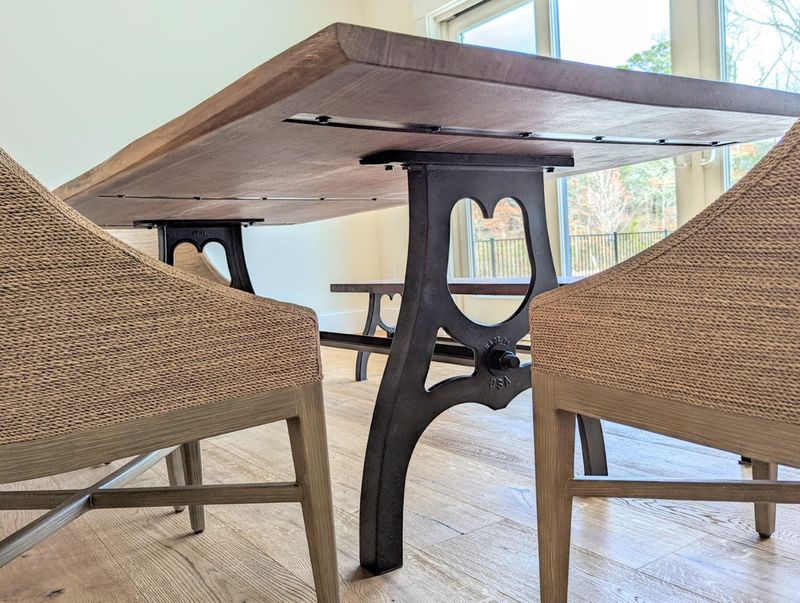
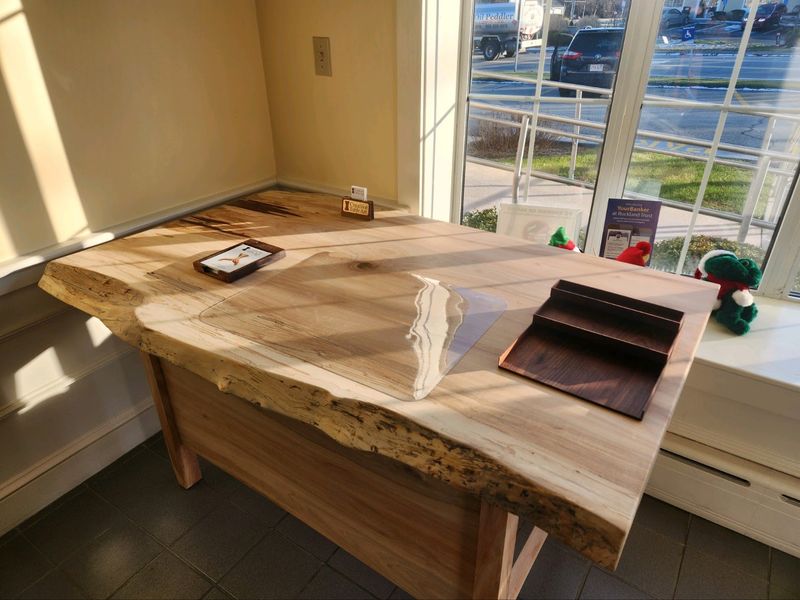
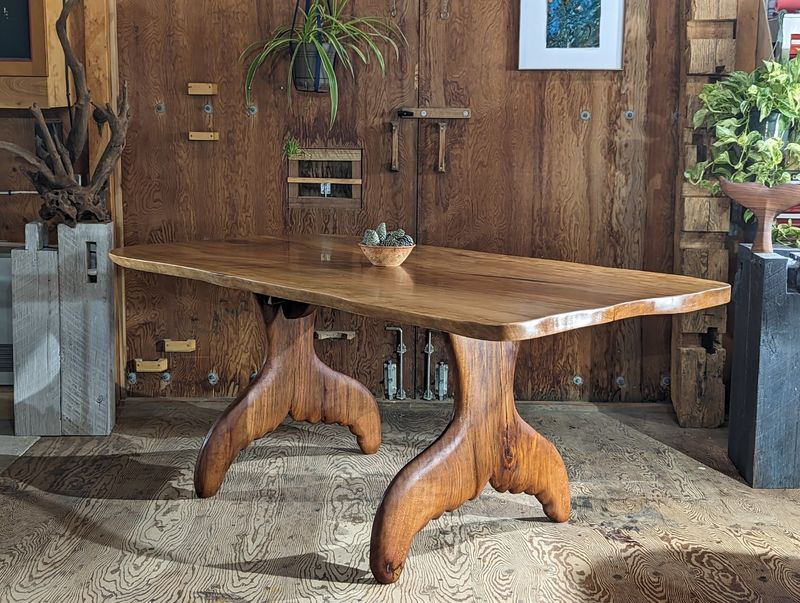
Custom Crafted Heirlooms
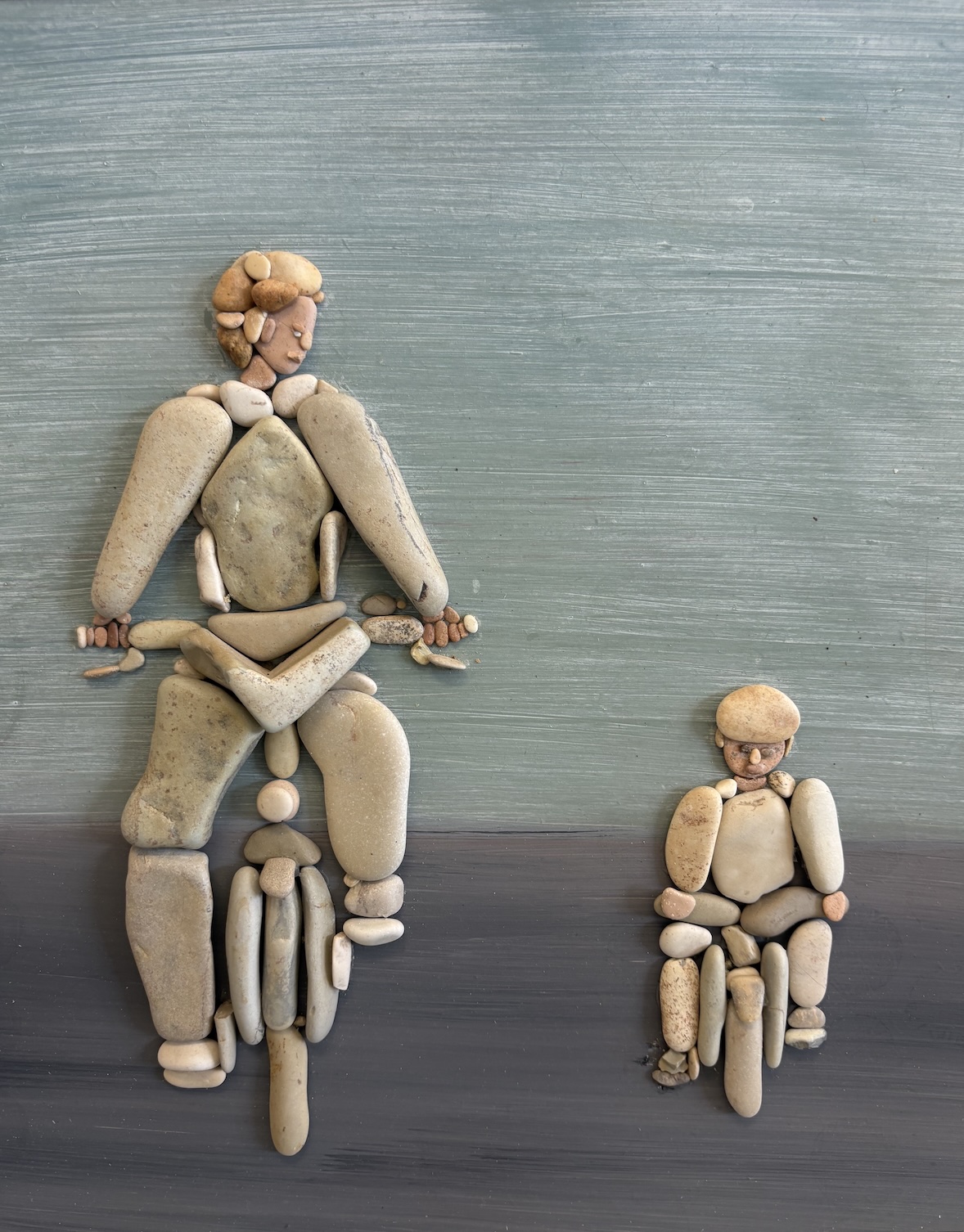
Stefano Furlani
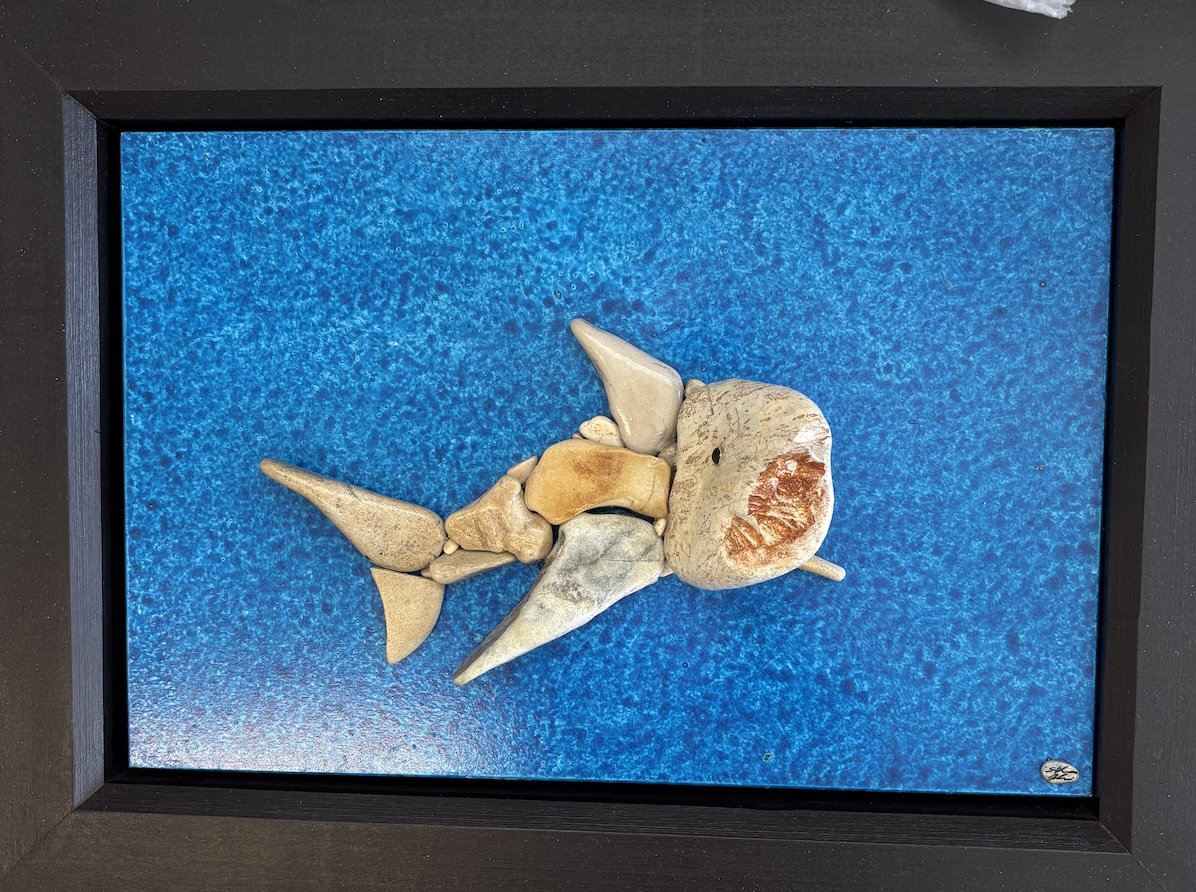
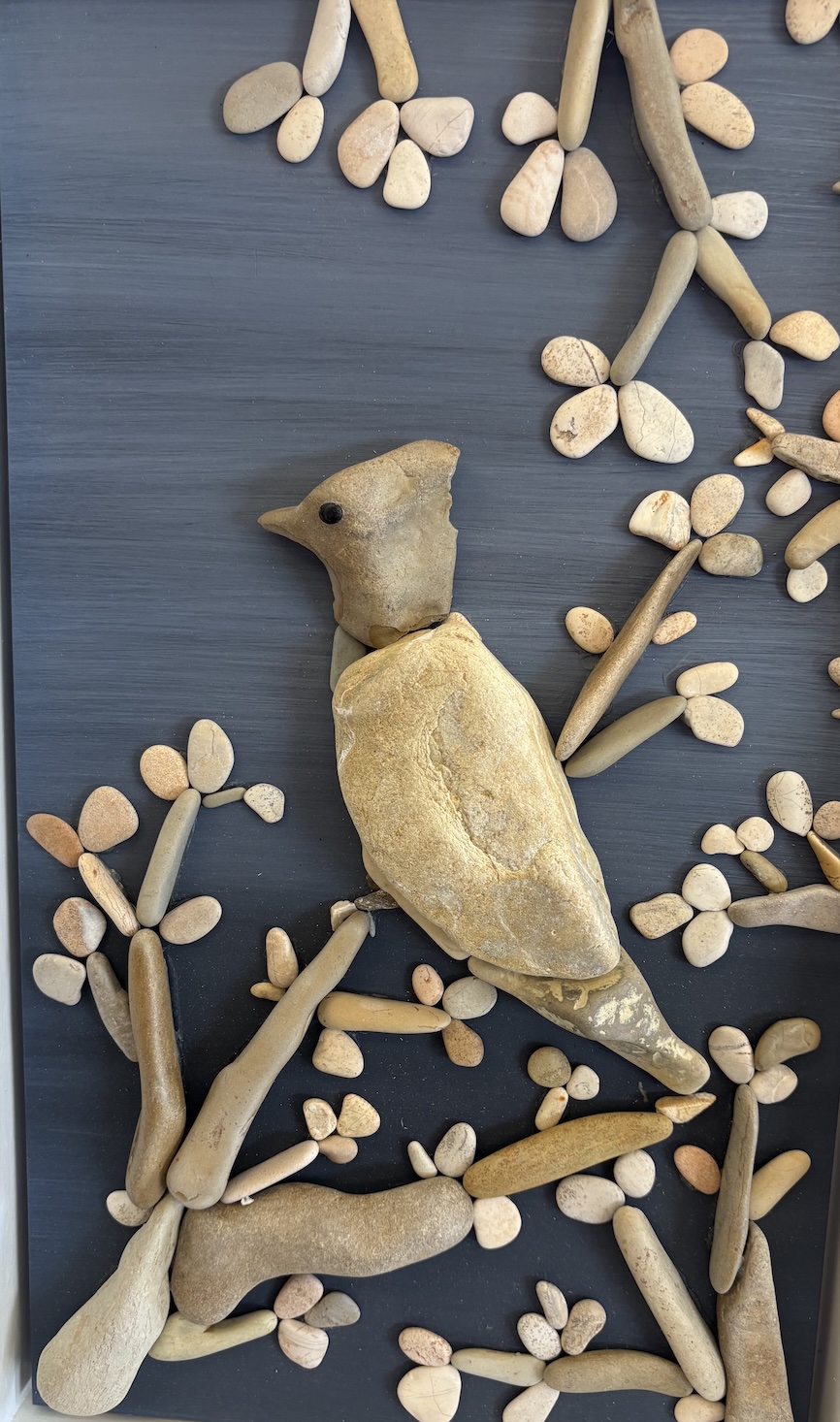
His work was also shown at the Truro Fine Art Studio/Jobi Gallery in Truro, MA.
Meta Gary
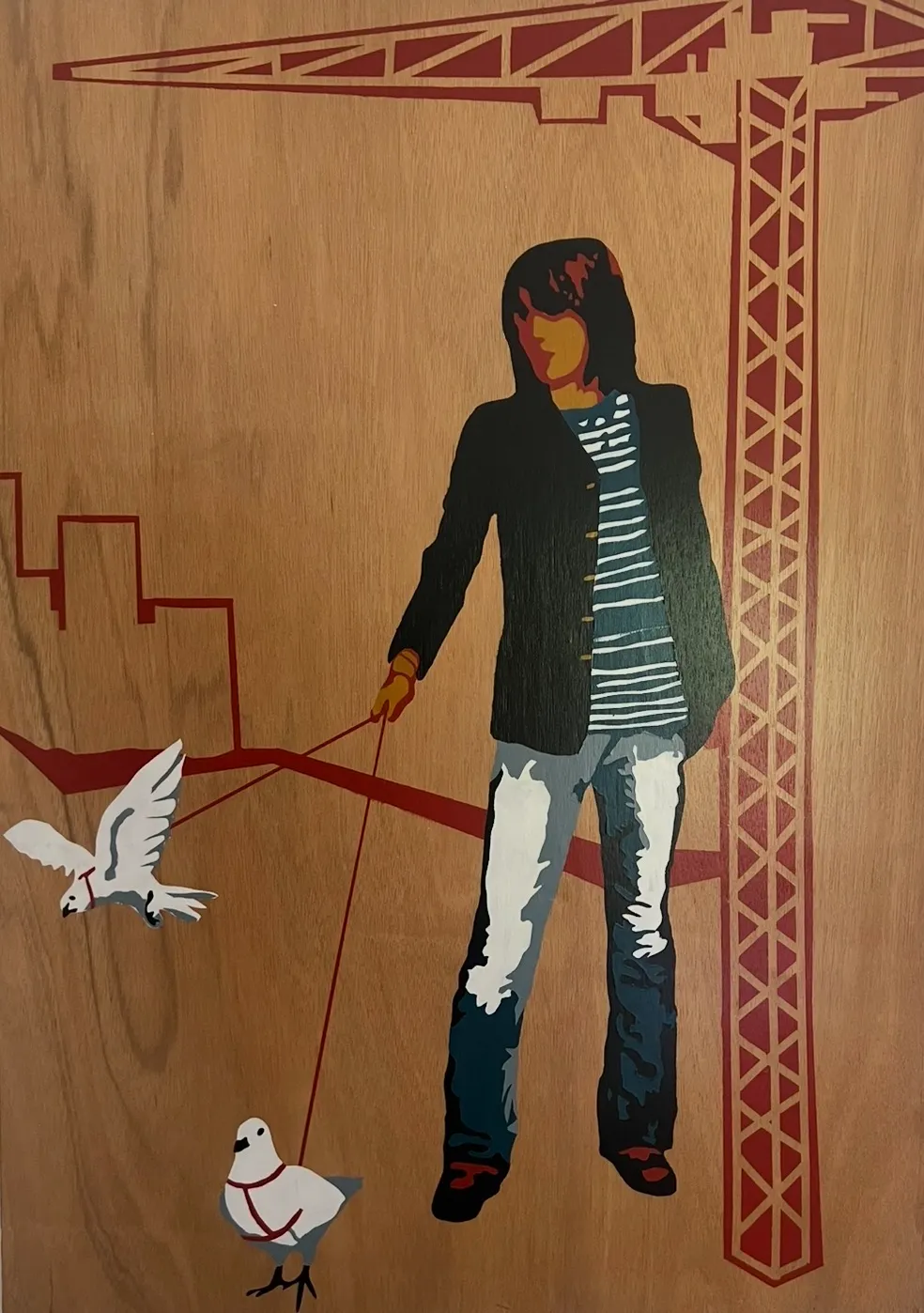
Meta Gary is a contemporary visual artist and art historian based in Atlanta, Georgia. She creates paintings, videos, and interactive installations that explore spatial interactions, social practice, and everyday environments. Her works on wood are watercolor, full of life and absurdity. She is a Senior Lecturer at Georgia State University.
Her work was also shown at the Truro Fine Art Studio/Jobi Gallery in Truro, MA.
Marston "Bud" Hodgin
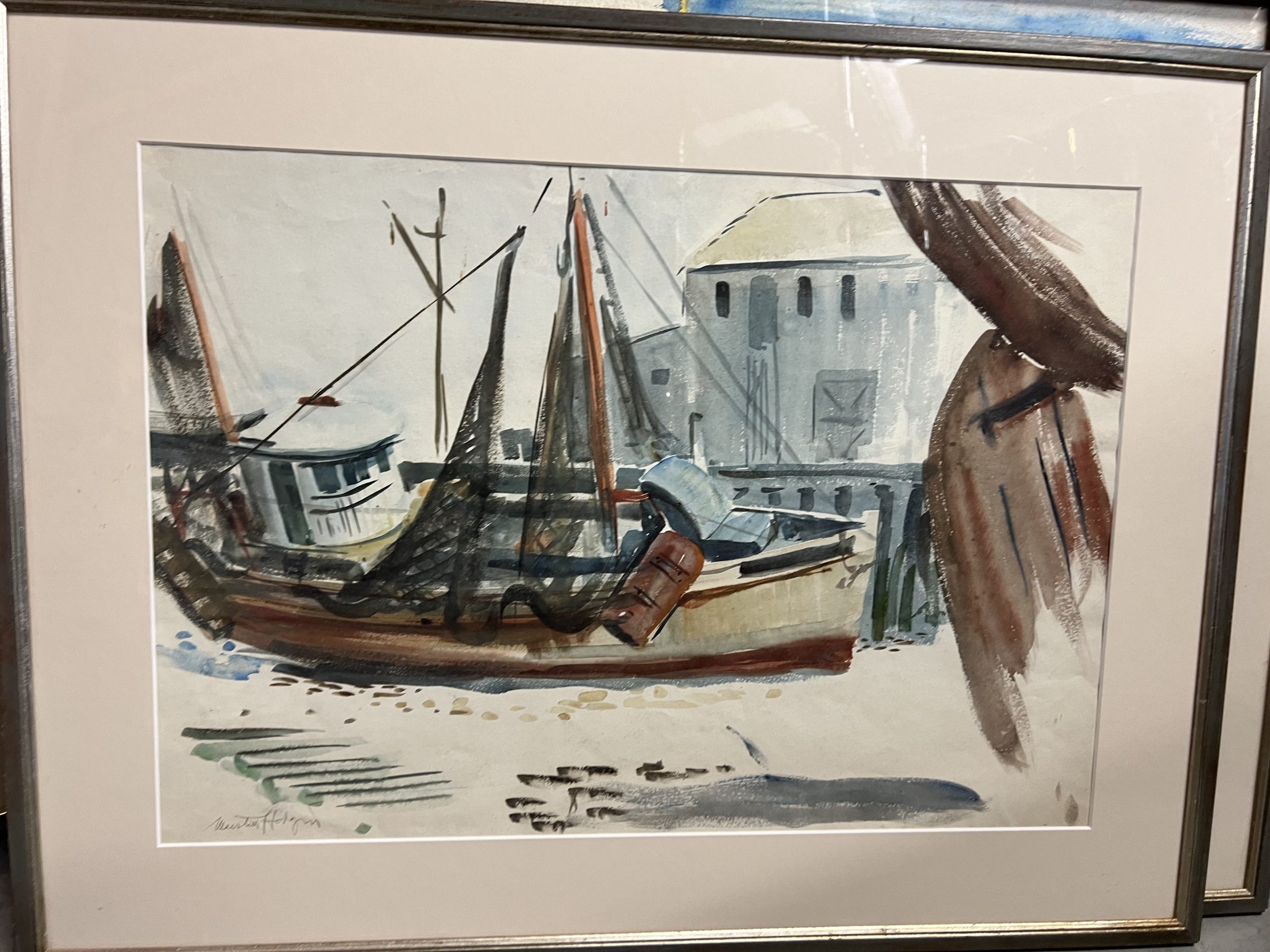
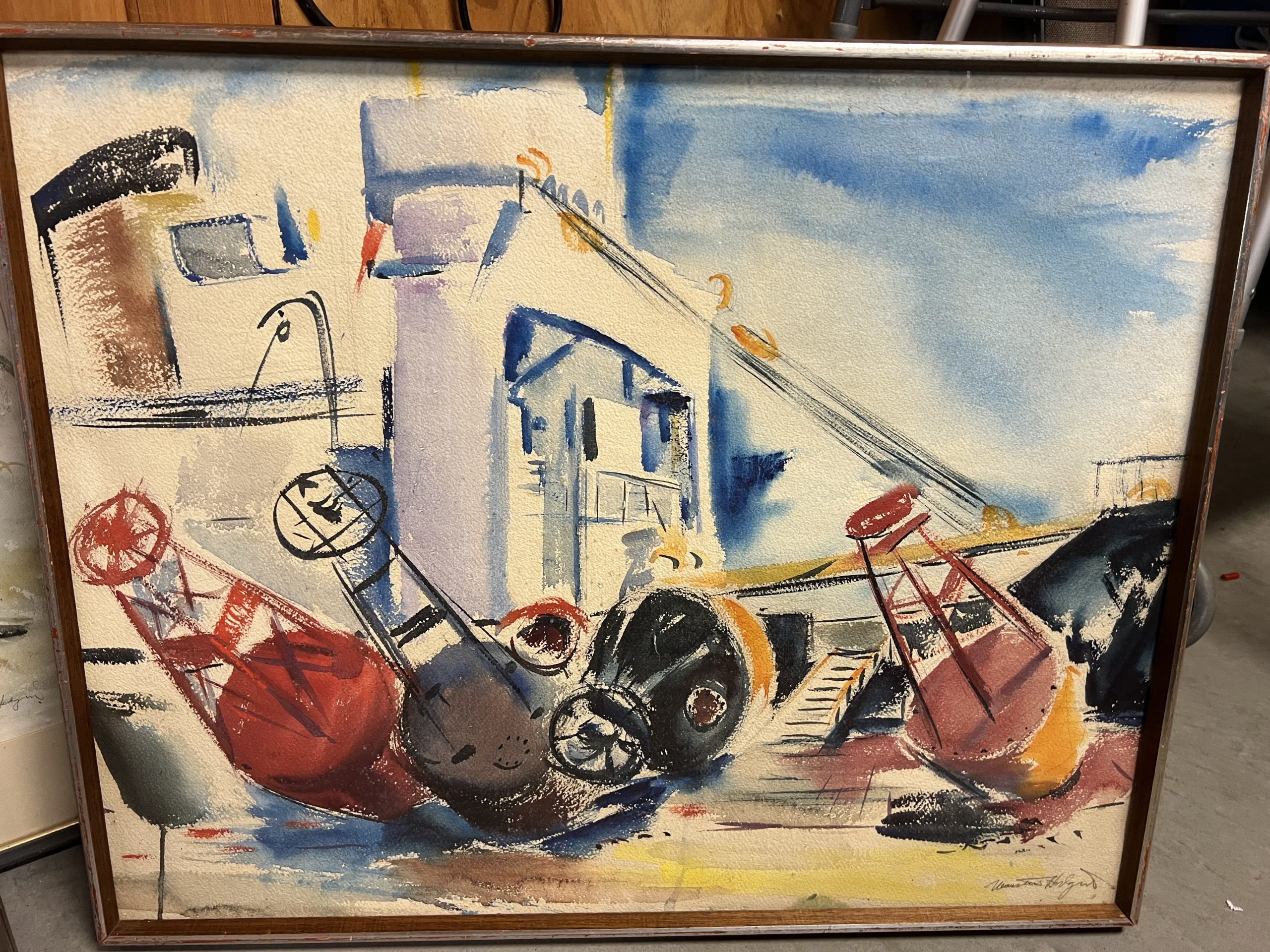
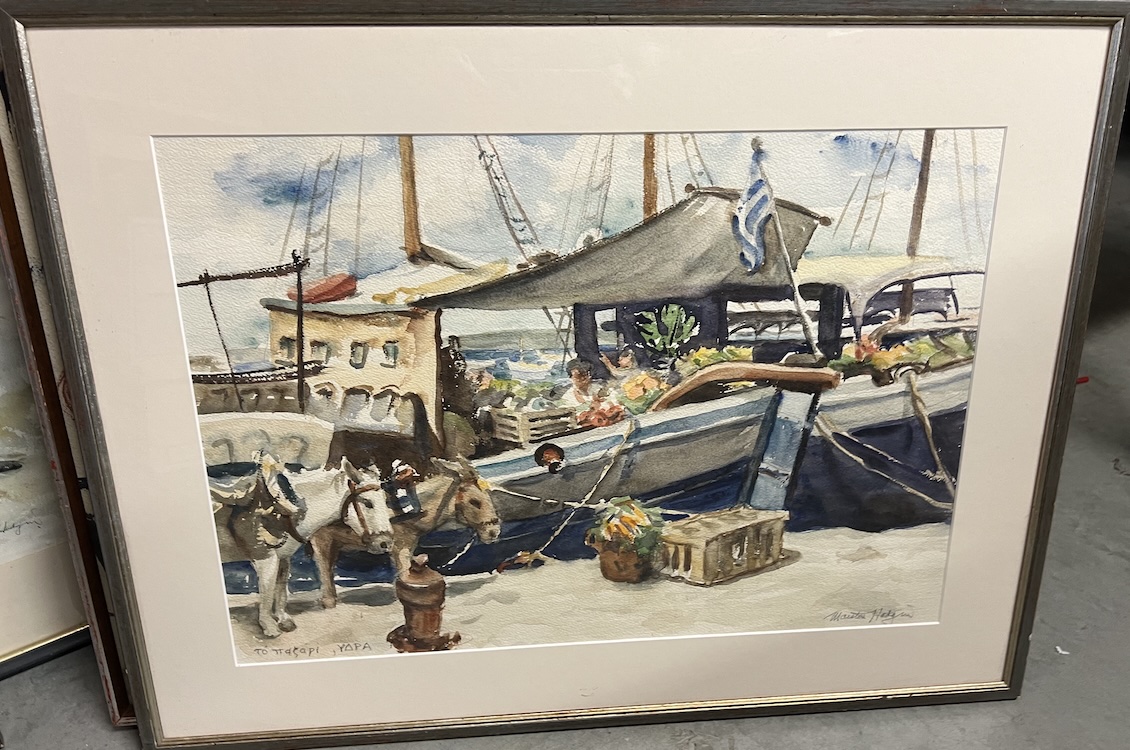
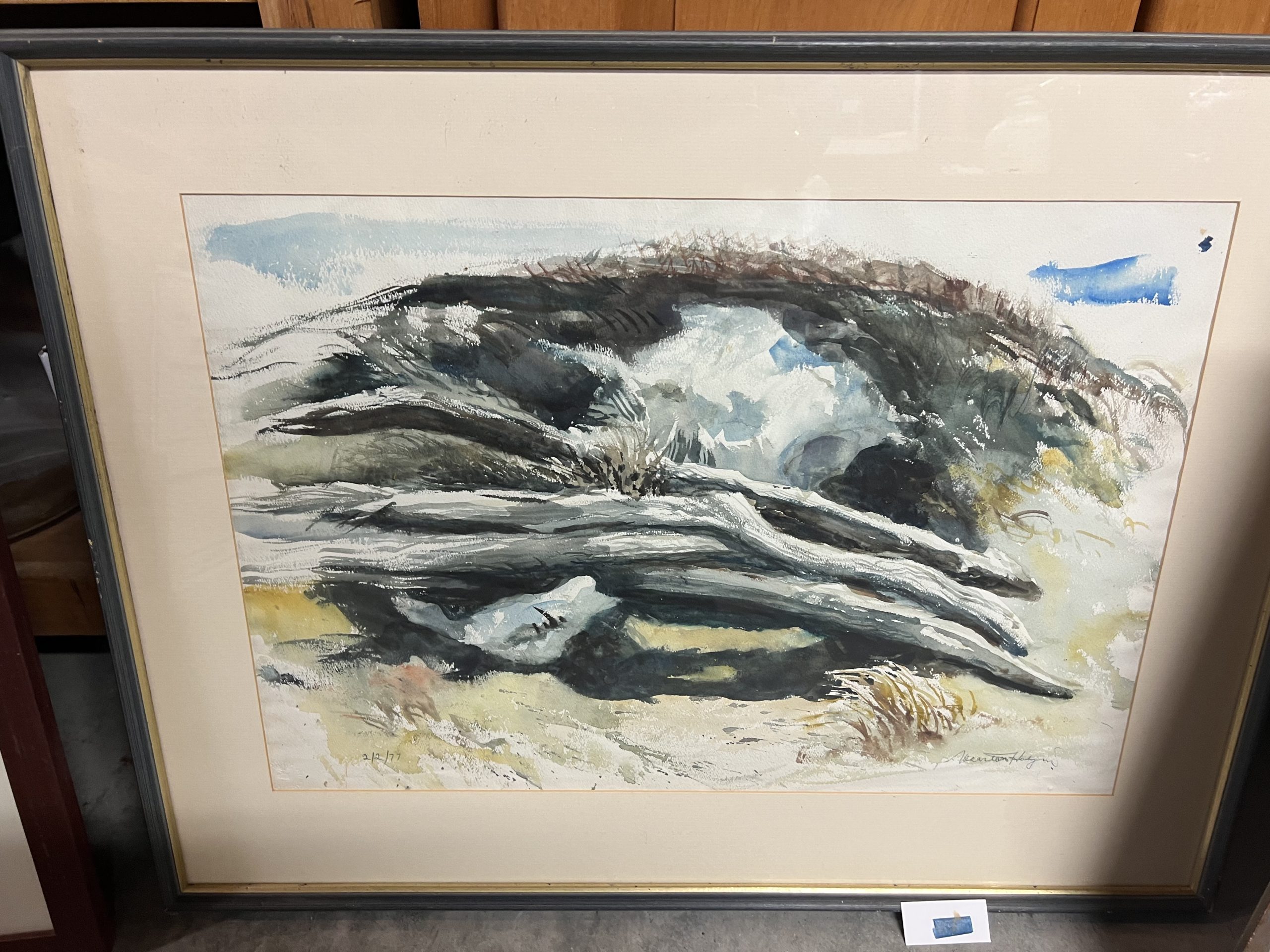
Marston Dean Hodgin, 1902-2003, was born in the mid-west and is best known as a
painter and art teacher from the Cape Cod region of Massachusetts. He painted both watercolors and oils and his works often feature the docks, dunes and charming homes of Provincetown and vicinity.
His lovely paintings capture the essence of a serene coastal scene. Soft hues of blue reflect the tranquil waters. Weathered wooden docks stretch into the distance, adorned with fishing boats, evoking a sense of timeless tranquility.
Chair of the art department at Miami University in Oxford, Ohio from 1927 to 1963, Marston Hodgin was born in Cambridge, Ohio and had a career as painter and teacher. He studied at Earlham College, University of Chicago, Indiana University, and with Charles Hawthorne at the Cape Cod School of Art.
In 1935, he traveled to northern California, painting along the coast at Eureka.
His primary exhibition venue was the Richmond, Indiana Art Association, where he displayed his paintings from 1922 to 1965, often winning prizes. He also exhibited with the Hoosier Salon, the Provincetown Art Association and the Dayton Art Association.
Art LaMay
Milton Wright
Truro artist Milton Wright painted mostly landscapes from the 1940s until his death in 2005. Wright used lots of color in his work, including green and purple and white in his grasses and red and white in his water. He described himself as a colorist, and his paintings, vibrant and full of color, certainly reflect this description.
A retrospective show at the Cape Cod Museum of Art in Dennis presented these colorful works chronologically, showing his change in style from an artist heavily influenced by Matisse and Cezanne and the cubists to a more impressionistic style.
Wright took his first art class when he was seven years old at the Dayton Art Institute and, with family support, pursued a life of painting. In 1942 he graduated from Miami University in Oxford, Ohio, and after WW II went to Paris on the GI bill where he studied for two years at the Academie Julian, a respected and cutting-edge school for the arts. Only 50 years before Wright arrived, Matisse had studied there. This is where Wright developed his strong interest in atmosphere, light and shadow. Later, when he lived and taught in New York City, and lived in Truro, Wright continued to capture the landscapes around him. He mainly worked in oils, but also did watercolors, gouache and pen-and-ink drawings.
Wright also happened to be the grand-nephew of the famous Orville and Wilbur Wright brothers and corresponded with his great uncle Orville regularly. He used to go into the local schools and talk about these interactions, bringing in letters and even pieces of a plane they had flown in, little bits of canvas and wood. These letters are now part of the Smithsonian collection.
Susan Kurtzman, who represents Wright’s estate, is especially well-suited to introduce Wright’s work at the show because in addition to her own knowledge of art — she earned a degree in design with a focus on art history and ceramics and owns Truro Fine Art Studio and Jobi Pottery — she also knew Wright. When she was the director of Truro’s Highland House Museum in 2000, Wright was on the board and his wife was a volunteer. Kurtzman describes Wright as a “great big tall man, imposing, with big, bushy gray eyebrows” and says when he spoke, which wasn’t that often, everyone listened. Also, in a running joke, no meeting was adjourned until Wright said it was. One member would say “Milt?” and he would say, “Meeting adjourned.”
When he died and his widow Breene contacted Kurtzman to manage the estate, Kurtzman says, she walked into his studio and it was like Wright had just left it. There was an unfinished painting on the easel, and dozens and dozens of paintings stacked up against the walls and in the rafters. It took her three months to inventory the lot, and she found stories behind the paintings, read announcements about gallery openings and biographical sketches and reviewed many notebooks of records of his life.
Kurtzman notes that while Wright continued to paint landscapes that included man-made creations, they stopped including the figures themselves by the late 1960s. He also stopped doing portraits, many of which were of his wife Breene. Kurtzman notes that in addition to Wright’s “very definitive and vibrant” use of color, many of the paintings have a “quirky” point of view, not posed, as if Wright had “come upon something suddenly — not a beautiful landscape but an interesting landscape.” Wright’s personality, Kurtzman adds, comes through in all of his work. is known for his painstakingly accurate watercolor depictions of ducks, birds, and other fowl. The expertise exhibited in Art LaMay’s duck prints earned him the title Ducks Unlimited International Artist in 1994, and LaMay’s artistic contributions garnered him his own wing in the Ward Foundation Museum in Maryland. LaMay has a skill for bringing out the human characteristics and interesting habits of waterfowl.